01 / Executive brief
Executive summary
From 2003 through early 2008, Kexue Huang worked at Dow AgroSciences and rose to research leader for strain development involving proprietary organic insecticides. He later admitted that he removed several Dow trade secrets and transferred them to people in Germany and China for unauthorized research benefiting universities tied to the PRC. S1S2
After leaving Dow, Huang joined Cargill as a biotechnologist and stole a separate secret: a key component used to make a new food product. He disseminated it to a student at Hunan Normal University, pleaded guilty in the paired federal cases, and received 87 months in prison. His plea placed aggregate loss above $7 million and below $20 million. S1S2
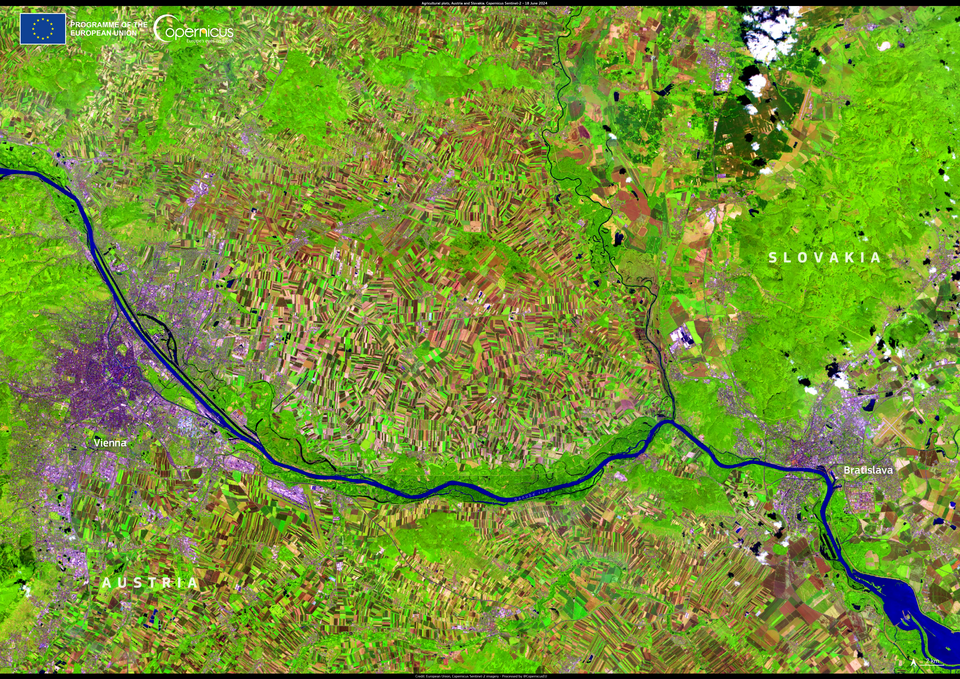
Agricultural biotechnology can condense years of strain development and product research into portable data and samples. This is a contextual image, not a location from Huang's case.
USDA Natural Resources Conservation Service · Public domain02 / The vignette
What happened
Trust accumulated with technical responsibility
Huang was not a visitor skimming public research. At Dow he worked inside the biotechnology program, signed confidentiality agreements, and became a leader in research on commercially valuable organic insecticides. That role gave him both the protected material and the scientific knowledge needed to make it useful elsewhere. S1S2
The transfer outlived the first job
Huang admitted that from 2007 through 2010 he delivered Dow secrets to collaborators in Germany and China, used the material in unauthorized research for PRC-linked universities, and pursued production of the protected technology in China. The conduct therefore continued after his Dow employment ended and connected retained know-how to a new research network. S1S2
A second employer created a second loss
Cargill hired Huang in March 2008. During that later role, he stole a key component for a new food product and sent it to a Hunan Normal University student. The combined prosecution matters because it shows a repeatable access pattern across employers, not a single disputed document: specialized employment, removal, cross-border dissemination, and outside use. S1S2
03 / Anatomy
How access became transfer
This chain reconstructs the sequence supported by the cited record. It does not imply that every legitimate relationship follows the same path.
- 01
- 02
Sensitive access gained
Two proprietary programs
His roles exposed him to protected pesticide and food-manufacturing information at separate companies. S1
- 03
- 04
- 05
- 06
04 / Evidence boundary
What is established—and what is not
Established in the record
05 / Sequence
Timeline
-
Cargill hires Huang
After leaving Dow, Huang began a second biotechnology role with access to a new product secret. S1
-
Guilty pleas entered
Huang admitted economic espionage in Indiana and trade-secret theft charged in Minnesota. S1
-
Sentence imposed
The court imposed 87 months in prison and three years of supervised release. S2
06 / People and institutions
Who appears in the public record
Kexue Huang
Former Dow research leader and Cargill biotechnologist
Outcome: Pleaded guilty; sentenced to 87 months
PRC-linked university collaborators
Recipients and participants in unauthorized research
Originator / affected institution
Dow AgroSciences
Developer of proprietary organic insecticide technology
Originator / affected institution
Cargill
Developer of the protected food-product component
07 / Consequences
Documented and attributed harm
08 / Hindsight analysis
Where leadership could have seen risk
These are our analytic judgments based on the public record, not court findings. They are framed to improve controls without treating nationality as a risk factor.
Access followed role seniority
A trusted research leader could reach both the science and the supporting details needed to reproduce it outside the company.
Risk carried into the next employer
Offboarding at the first company did not prevent retained information from feeding later collaborations and production planning.
09 / Apply the lesson
Actions leaders can take
- companies
Map portable research packages
Identify the combinations of strains, recipes, data, and process knowledge that could reproduce a product outside the company.
- companies
Review cross-institution work
Require disclosure and approval for external research relationships that overlap an employee's proprietary assignments.
- both
Extend controls through departure
Use risk-based offboarding, device review, and post-departure monitoring where crown-jewel research was accessible.
10 / Source record
Sources
Links point to the public record reviewed for this file. Government releases can summarize court proceedings but remain government-authored sources; the source note identifies those limits.
- S1 government release
Chinese National Pleads Guilty to Economic Espionage and Theft of Trade Secrets ↗
U.S. Department of Justice · Published Oct 18, 2011 · Retrieved Aug 23, 2026
- S2 government release
Chinese National Sentenced to 87 Months for Economic Espionage and Theft of Trade Secrets ↗
U.S. Department of Justice · Published Dec 21, 2011 · Retrieved Aug 23, 2026